Pillar I — Foundations
Obedience to Authority.
Ordinary people will inflict serious harm on an innocent stranger when a legitimate-seeming authority tells them to — and most will keep going after the victim protests.
01Overview
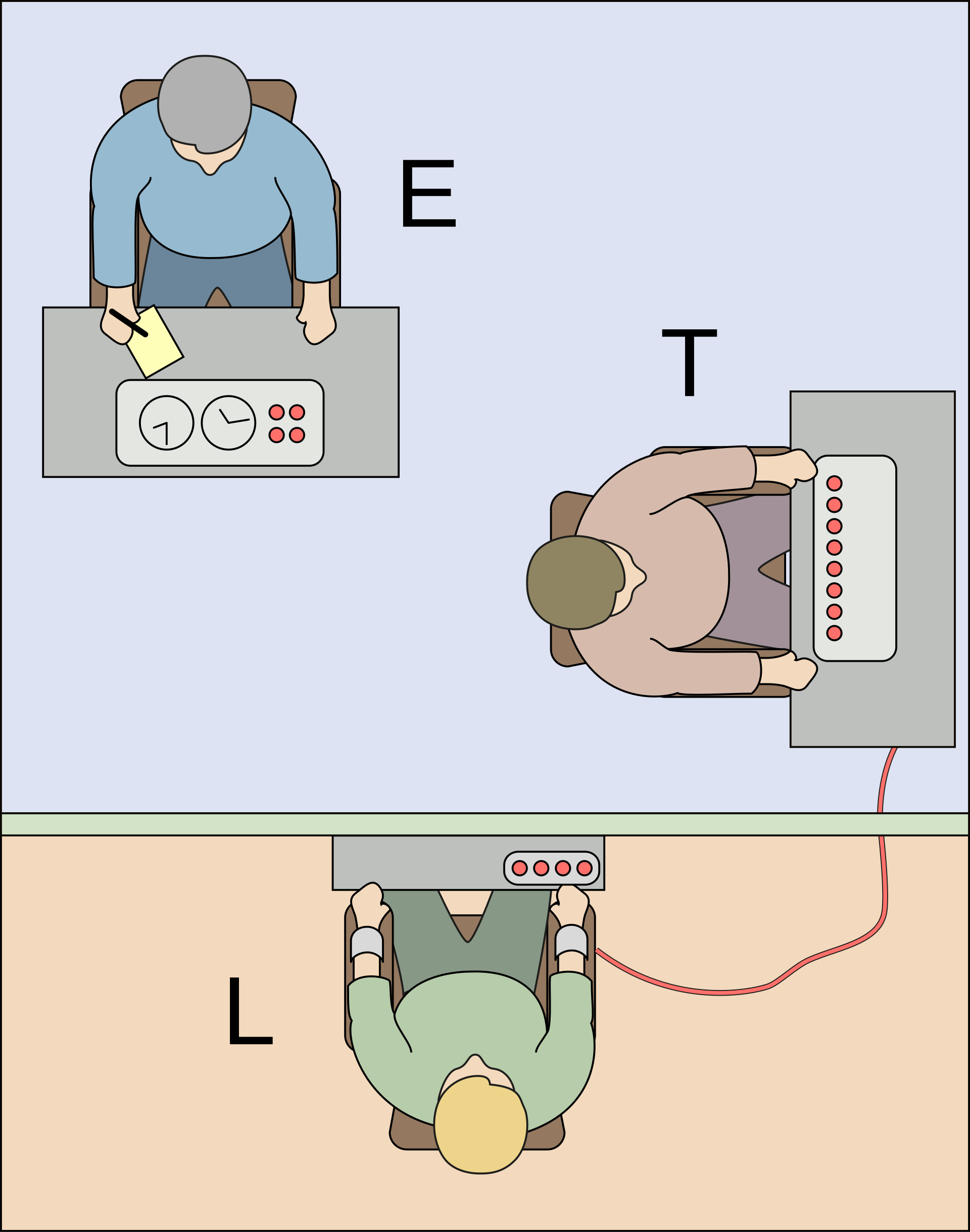
Obedience to authority is the finding that shocked social psychology out of its optimism. Milgram's experiments showed that ordinary volunteers — not sadists, not fanatics — would administer what they believed were increasingly dangerous electric shocks to a protesting stranger, simply because a calm man in a grey lab coat said 'please continue'. The lesson is not that people are cruel but that people are deferential: when responsibility is transferred upward to an authority, conscience is quietly outsourced with it. This is the archive's foundational entry because it explains how so much else — groupthink, conformity, complicity — becomes possible.
02Key theorists
01Stanley Milgram (1963–1974)
02Hannah Arendt (1963)
03S. Alexander Haslam & Stephen Reicher (2012)
Milgram began his studies at Yale in 1961, the year Adolf Eichmann stood trial in Jerusalem. In the baseline condition, 26 of 40 participants (65%) went all the way to the maximum 450-volt switch despite the learner's increasingly desperate protests. Across more than twenty variations, obedience ranged from near-total to near-zero depending on proximity, legitimacy, and the presence of disobedient peers. The experiments were immediately controversial and remain so: Gina Perry's archival work exposed overstated reporting, and critics note participants' distress. Yet partial replications, including Burger's 2009 study, found comparable compliance, and Haslam's analysis reframed the data around shared identity with the authority rather than blind submission.
03How it works
- 01Graduated escalation: 15-volt steps, each too small to mark as a line crossed
- 02Transfer of responsibility: the experimenter's calm acceptance licenses the act ('I am responsible')
- 03Politeness and commitment: having voluntarily agreed, participants feel bound to finish the procedure
- 04Authority symbols: titles, settings, and confident expertise substitute for individual judgement
- 05Distance: obedience rises as the victim is moved further away and falls with proximity and touch
- 06Peer example: a single disobedient confederate collapses obedience rates dramatically
04Where it shows up
Atrocities staffed by ordinary functionaries; nurses following unsafe medication orders; accountants signing false statements 'on instructions'; middle managers passing fraud up a chain they never planned to join; call-centre staff defrauding the elderly in teams where everyone does it.
05The propaganda link
The Party never needed a population of monsters — only a population of clerks. Obedience studies show how the most banal functionary, shielded by orders and a uniform, can staff the machinery of harm; Orwell's insight is that the boots and slogans are the easy part.
06How to resist
- Treat the first small step as the real decision — the line is crossed early, not at the end
- State your refusal out loud and early; obedience collapses faster in public
- Ask what you are personally, not institutionally, being asked to do to a person
- Find or be the disobedient peer: one visible dissenter legitimises refusal for everyone
- Build institutions that require moral sign-off by name, not 'process'