An analytical archive
SOCIOSOPHIA.
How herds form, crowds move, and groups bend the individual —filed for examination.
From the classic experiments of social psychology to the systems built on top of them — herd behaviour, conformity, social influence, rhetoric and power, and the dynamics of groups. Every entry follows the same six-section structure.
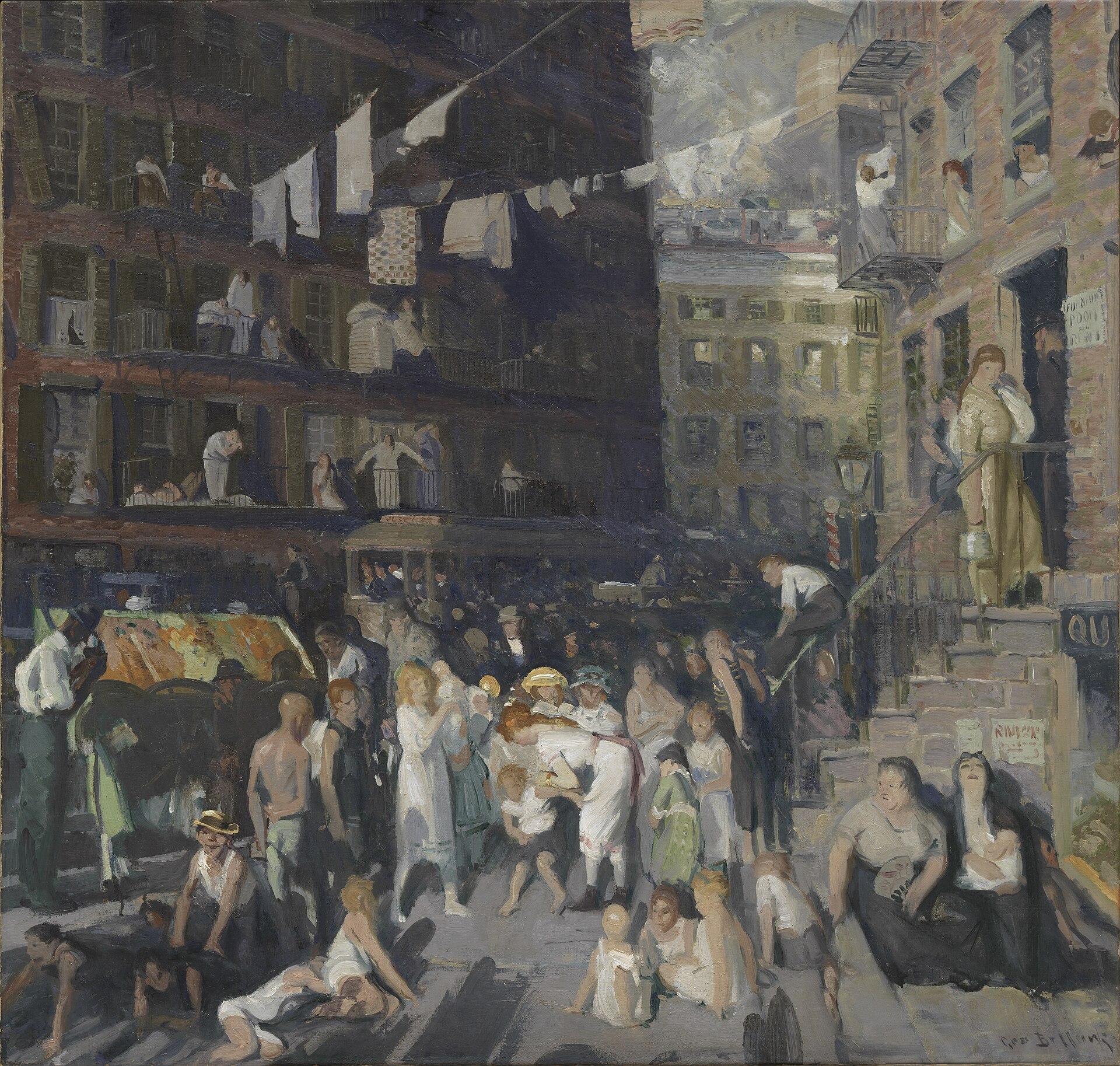
Featured entries
Start with the most-read entries
Epistemology
Dunning–Kruger Effect
The miscalibration in which the unskilled overestimate their competence — because the skill needed to perform is also the skill needed to judge performance.
Foundations
Obedience to Authority
Ordinary people will inflict serious harm on an innocent stranger when a legitimate-seeming authority tells them to — and most will keep going after the victim protests.
Epistemology
Confirmation Bias
The tendency to search for, interpret, favour, and recall information in ways that confirm one's existing beliefs.
Rhetoric & Power
Preference Falsification
People publicly misrepresent their preferences when private honesty is dangerous — and the resulting silence protects the regime by hiding exactly how weak its support has become.
Topics
The five pillars
Every entry is filed under one of five academic domains — from the foundational experiments of social psychology to the engineering of consent, the faults of knowing, and the architecture of choice.
Foundations & Classic Studies
The classic experiments and core mechanisms everything else rests on — obedience, dissonance, attribution, comparison, and the human need to know what others are doing.
Open pillar →Social Psychology & Group Dynamics
How belonging, cohesion, and the presence of others bend individual judgement toward the collective — conformity, diffusion of responsibility, and the pathologies of the herd.
Open pillar →Political Psychology, Rhetoric & Power
The machinery of persuasion, propaganda, and manufactured consensus — how language is weaponised to move crowds, dissolve dissent, and launder power into legitimacy.
Open pillar →Epistemology & Cognitive Vulnerabilities
The structural faults in how we know what we think we know — motivated reasoning, self-illusion, and the deliberate and accidental architectures of ignorance.
Open pillar →Consumer Psychology & Behavioral Economics
How markets and interfaces exploit the architecture of choice — anchors, decoys, scarcity theatre, and the dark patterns that convert friction into revenue.
Open pillar →The index
Search the full index
The full index lives on its own page — search it as you type, filter by topic, and switch between a simple list and a card grid. Save entries for later — kept in this browser.
- Search every entry as you type
- List or grid views, remembered between visits
- Filter by topic — save entries for later
The method
One six-section examination, every entry
Entries are directly comparable because each is filed on the same table — from what the phenomenon is, to how it works, to how to resist it.
- 01
Overview
What the phenomenon is, in plain terms.
- 02
Theorists & context
Who established it, and on what evidence.
- 03
Core mechanics
The moving parts that produce the effect.
- 04
Societal manifestation
Where it shows up in the wild.
- 05
Rhetorical linkage
Its connection to propaganda and manipulation.
- 06
Countermeasures
How to recognise and resist it.
Yours, privately
- No accounts, no cookies, no trackers — nothing to sign.
- Saved entries and interesting marks stay in your browser.
- Every entry also exists as a full static page, readable without JavaScript.
- Findings are cited from published research; contested results are flagged as contested.
Begin
82 entries. Six sections each. Start anywhere.
Search the catalogue, follow a pillar, or hand the choice to the index with Surprise Me.