Pillar V — Behavioral Economics
Manufactured Scarcity.
The deliberate engineering of artificial shortages — of stock, time, or access — to inflate perceived value and collapse deliberation.
01Overview
Scarcity raises perceived value almost mechanically, and long before e-commerce discovered it: Worchel's cookie-jar experiments in the 1970s showed that the same treat was rated more desirable from an almost-empty jar, especially when the shortage appeared to be caused by other people wanting it. Cialdini catalogued scarcity as one of the canonical levers of influence, and commerce has since industrialised the lever — countdown timers, fabricated stock counters, members-only windows, and drop culture convert manufactured rarity into urgency. The manipulation's core trick is time: pressure shrinks the deliberation window until the choice is made by the situation rather than the buyer.
02Key theorists
01Stephen Worchel, Jerry Lee & Akanbi Adewole (1975)
02Robert Cialdini (1984)
03Michael Lynn (1991)
Worchel and colleagues' cookie experiments established the basic result — scarcity, and especially socially caused scarcity, amplifies desire. Cialdini's Influence (1984) gave the finding its public form as the scarcity principle. From there the industrial era: flash sales, limited editions, drop calendars, and the modern interface lexicon of timers and 'only two left' badges, many of them fictional, refining the technique from occasional tactic to ambient environment.
03How it works
- 01Loss aversion: the imminent possibility of missing out feels worse than the gain of buying feels good
- 02Social competition cue: others wanting it is read as evidence of quality
- 03Reactance: restricted freedom makes the restricted thing precious
- 04Fabricated urgency: invented stock counters and countdowns exploit trust in displayed data
- 05Newness theatre: novelty framed as a vanishing opportunity rather than an infinite aisle
- 06Time compression: the shortened window prevents value assessment, only reaction remains
04Where it shows up
Flash sales and sneaker drops; 'only 3 seats left at this price' notices that reset on every visit; streaming windows that reopen later; real-estate and salary pressure applied through rival offers; subscription bonuses that expire at midnight, every midnight.
05The propaganda link
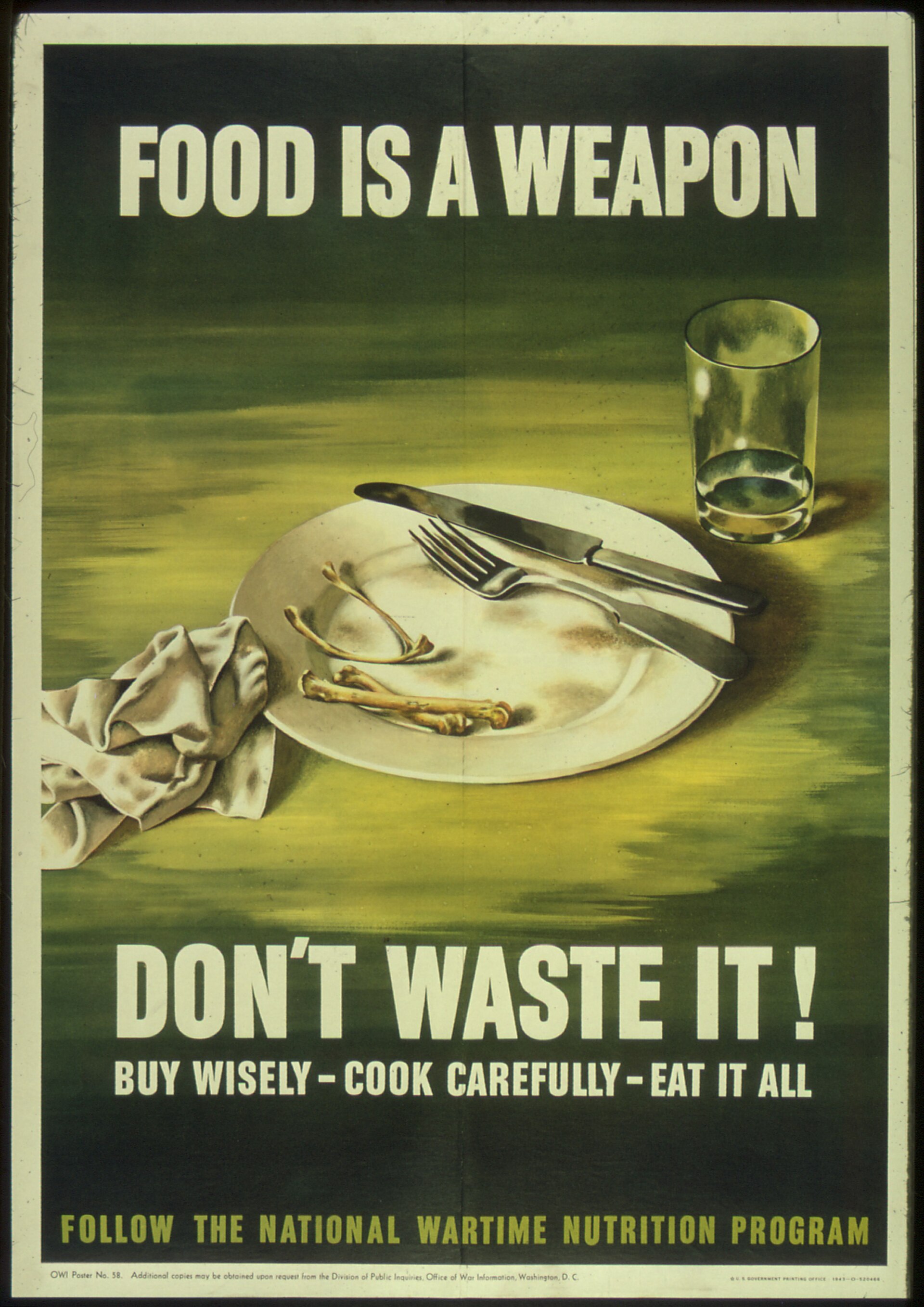
A state of permanent scarcity keeps attention fixed on immediate survival, and a population that cannot look past today's shortage cannot plan, organise, or compare. Manufactured scarcity is that condition reduced to a pricing tactic — deliberation space governed by whoever sets the clock.
06How to resist
- Test the claim: verify scarcity's reality, then test its relevance to your use value
- Impose a personal 24-hour rule on any purchase presented as urgent
- Decide value before seeing urgency cues, never after
- Mute chronic urgency: counters, badges, and countdowns are design, not information